I’ve been taking pictures for almost two decades at this point in my life and not once, except for the past few years, did I ever think about the technical magic that happens every time the shutter gets pressed. Back in 2020 I was fortunate to be selected at work to take part in an internship with a Camera Hardware Engineering team. It was an amazing experience where I was able to play around with upcoming camera systems and pit them against competitor products. The majority of the work pertained to examining the visual differences in the images that these products produced, but I did have many late night conversations with members of that team about imaging science and just how many facets go into developing a camera system. A few of my team members had M.S. degrees in Imaging Science which got me thinking about the formal education path for this particular topic. Alas, that internship ended, I went back to my normal work and eventually decided to return to college to complete a B.S. in Information Technology.
I never did quite stop thinking about that experience though. The notion about finding the knowledge of how camera sensors actually worked became an itch in the back of my mind that never left. I guess I always used work and school as an excuse of how I’m “too busy” to learn about it, but I’m now at the point where I’m trying to come up with ideas of how to apply this Information Technology degree - which is very broad in and of itself - once I graduate. I figured why not take some of the things things that I’m interested in - cameras and technology - and see what I can learn.
This is the first in a series of posts about my ‘Imaging Science / Camera Sensors’ journey, and I’ve gotta say… I haven’t looked forward to something like this in a long time. I’ve got some ideas involving a Raspberry Pi and its camera module to help illustrate the journey that light goes through upon “hitting” a camera sensor.
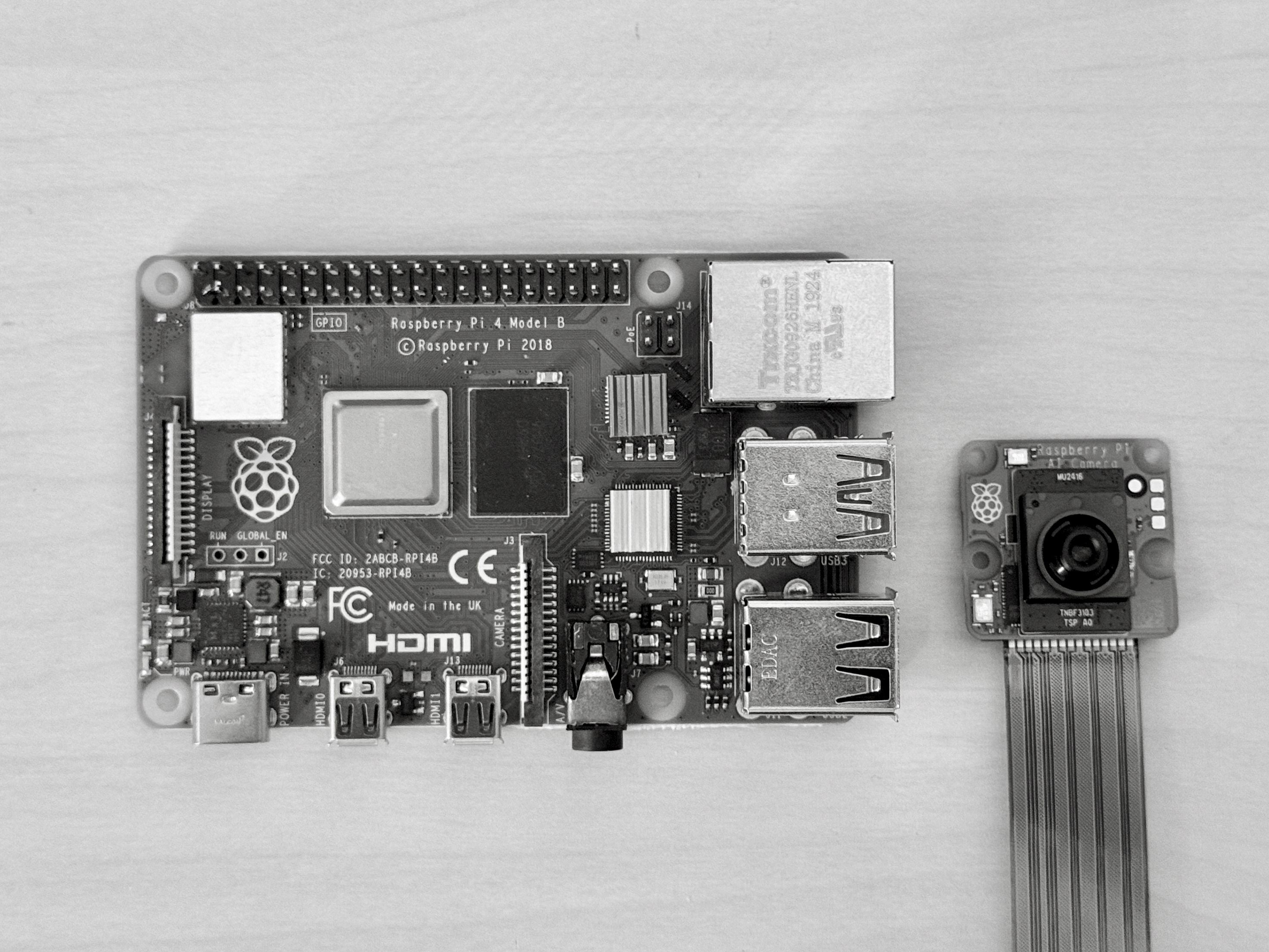 *Luckily I don’t need to utilize any of the GPIO pins (since I accidentally bent the bottom left one…) *
It might involve some Python code and simulating the different stages before a Color Filter Array (CFA) is presented and what a demosaicing process is doing step by step. Essentially I want to figure out all the stages that happen as you point a camera, press the shutter, and then finally see the result.
I’ll be updating this post with links to subsequent posts as I write them. Fair warning - There’s a good chance that there will be moderate to large gaps between them as I’m balancing work, school, other things on my to-do list, and now this little project.